Shape Defects 2D Can’t Catch: When 3D+AI Inspection Is the Answer
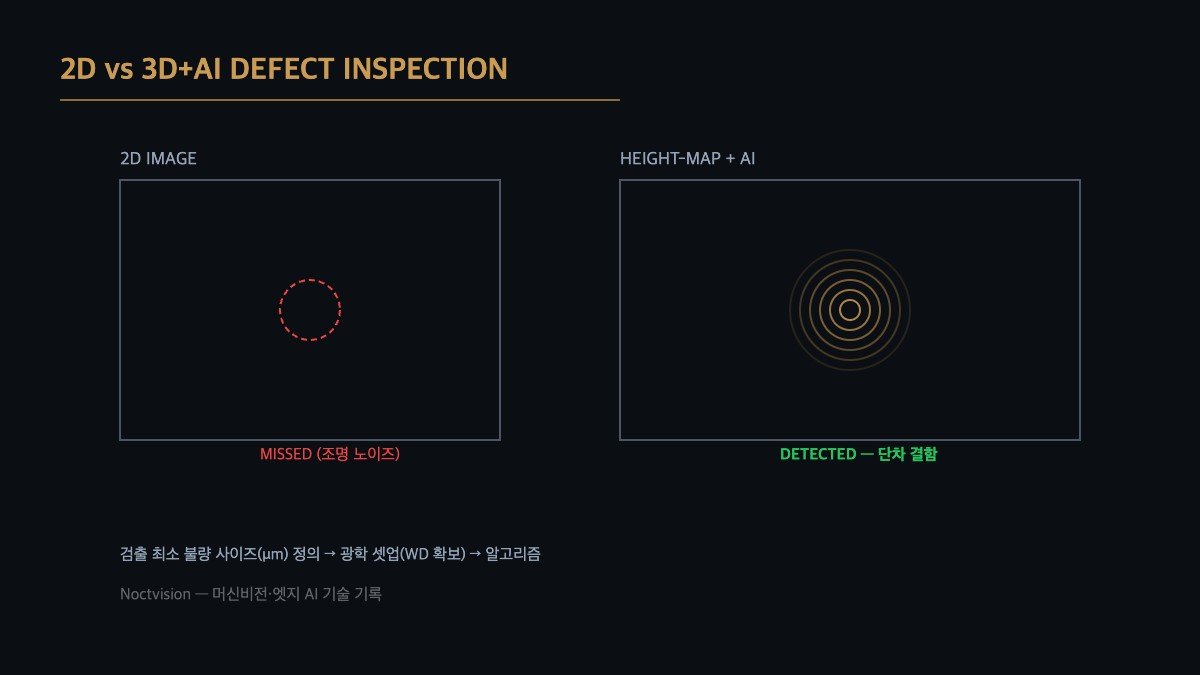
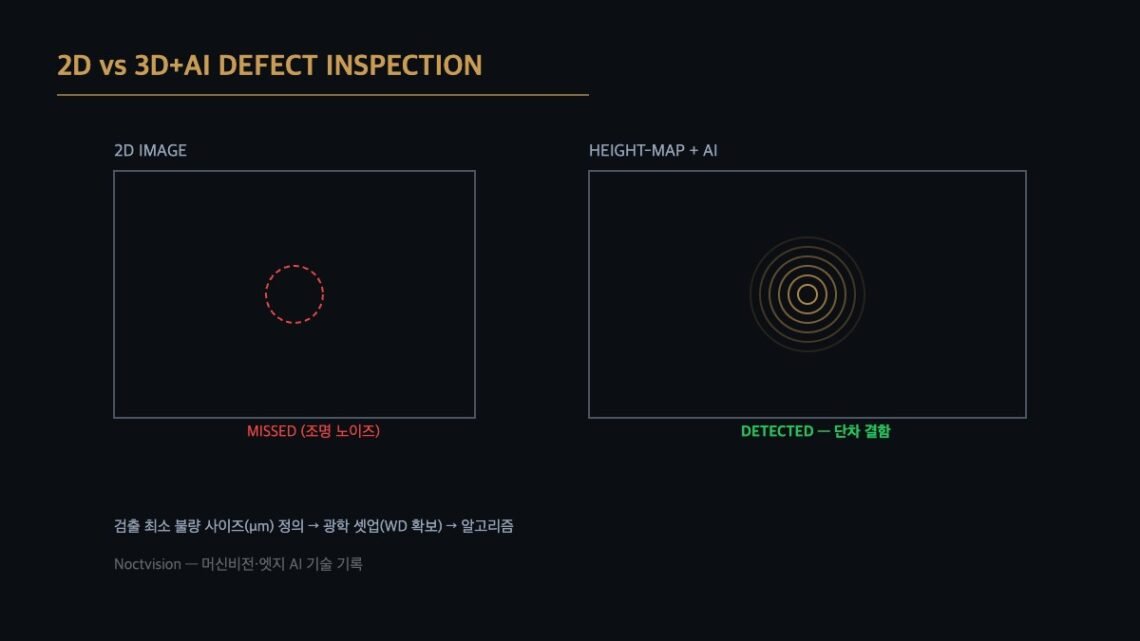
There are fine step and shape defects that 2D deep-learning inspection simply cannot catch. Missing this defect class lets bad parts leak into downstream processes, driving up rework and claim costs. SICK has offered an answer to this problem by releasing ‘Nova’, a 3D machine-vision inspection software that combines deep learning with height-map data analysis.
The core of Nova is that it trains on 2D appearance and 3D height information together, automating shape-defect detection, classification, and judgment end to end. The rationale is that height data is relatively less sensitive to lighting noise such as shadows and reflections. SICK states that on-device training is possible directly on the inspection unit with just a handful of good/bad samples, cutting field-retraining lead time without a separate GPU server. That said, the actual accuracy and speed of on-device training can vary with sample composition and shape difficulty, so it is safer to run a pilot test on your own defect types before adopting it.
There are still conditions where 2D deep-learning inspection remains the better choice — a surface defect with no shape change, such as color or print condition, is sufficiently covered by 2D alone, and the extra time 3D data acquisition adds can become a real burden on a line with a tight takt time. In other words, it is reasonable to prioritize adopting 3D+AI only when fine step or shape defects are the dominant defect type.
Field Checkpoints
- Has the minimum defect size (µm) to detect been defined first?
- Can the 3D sensor’s working distance (WD) actually be secured within the equipment layout space — this cannot be confirmed before sample testing.
- Has a sufficient quantity of good/bad samples been secured for on-device retraining?
Source: metrology.news (2026-08-11)


You May Also Like
Camera Interface Bandwidth Determines Resolution — From GigE Vision to CoaXPress 2.0
The Tug-of-War Between Distortion Correction and Depth of Field: How Telecentric Lenses Catch Micro-Defects Without Losing Them