-
When Specular and Matte Meet in One Frame: Reviving Contrast with HDR Multi-Exposure Fusion
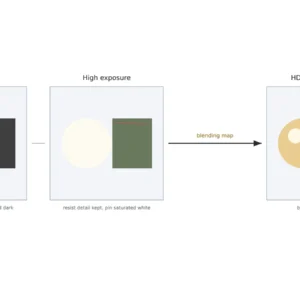
When a specular connector and a matte resist surface share one FOV, a single exposure can't capture both. Here is how HDR multi-exposure fusion recovers contrast on mixed-reflectivity surfaces, and when cross-polarization is…
-
Detection Time Cut 65%, False Alarms Down 80%: How to Read the Two Numbers Behind Edge Fire-Detection AI
A machine-vision read on an early-detection model for underground-garage EV fires running in real time on an edge device. Of the two headline figures, the one that matters more in the field is…
-
Specular Reflection Erases Defects: How Cross-Polarization Catches Missed Detections on Highly Reflective Surfaces
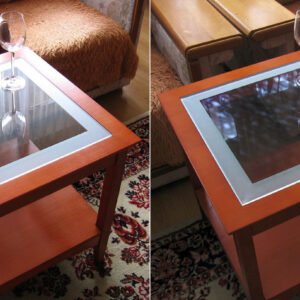
When a plated connector and a matte housing share a FOV, specular reflection saturates the highlight and buries defects. Here is how cross-polarization filtering physically blocks specular reflection, and when it is favorable…
-
The Tug-of-War Between Distortion Correction and Depth of Field: How Telecentric Lenses Catch Micro-Defects Without Losing Them
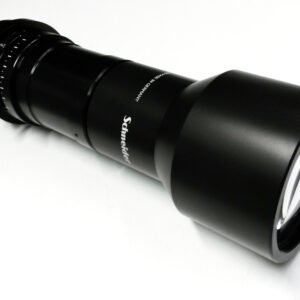
Raise lens magnification to resolve a micro-defect and depth of field narrows; layer distortion on top and dimensional measurements start to drift. A look at how magnification, DOF, distortion, and reflectivity interact in…
-
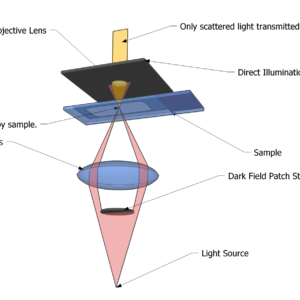
Software-Defined Lighting: One Head, Switching Between Dark-Field and Coaxial Illumination
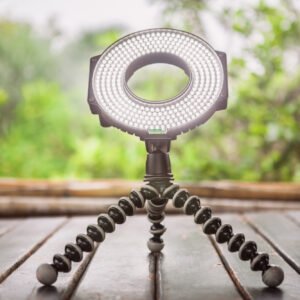
When a single target mixes matte and high-gloss regions, a fixed lighting setup forces a compromise. Here is how a multi-channel Software-Defined Lighting head, backed by GigE Vision 3.0 and edge inference, switches…
-
Dark-Field Illumination and Edge AI Defect Classification: A New Baseline for Specular-Surface Inspection
The smoother a surface looks, the harder it can be to inspect: specular reflection either saturates the sensor or buries shallow defects in near-zero contrast. Here is how dark-field illumination and unsupervised edge…
-
Automotive Part Appearance Inspection: Lighting Design Comes First
Automotive parts mix painted, chrome-plated, and molded surfaces with very different reflectivity on one line. Why lighting design matched to each material has to be settled before the AI algorithm can do its…
-
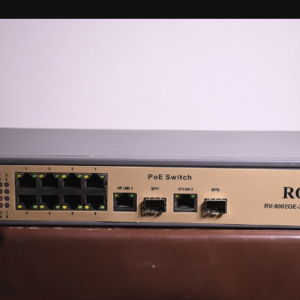
Why the PoE Network Card Sets the Limit on Your Optical Setup in a Multi-Camera Inspection Line
Scale a PCB line from one camera to four or eight and the first bottleneck is cabling, not the lens. How a PoE network card's power and bandwidth budget has to be designed…
-
What Optical Design Needs to Not Miss Defects on a High-Speed Line
At dozens of parts per second, motion blur erases contrast before a slow shutter can catch a defect. Strobe illumination, trigger synchronization, and a WD-aware lens spec are what actually hold up under…
-
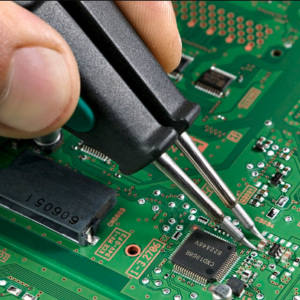
PCB and Semiconductor Surface Inspection: The 15–40µm Boundary the Human Eye Misses
Rising demand for machine vision is, at bottom, a sign that quality standards for defects the human eye can no longer catch are accelerating. How FOV, resolution, lighting, and WD all define each…